The Ultimate Guide to the FIFA World Cup 2026 and 2030 Hosts
Are you ready for the ultimate football carnival? The global football landscape is shifting gears, and fans worldwide are eager to know where the next mega-tournaments will unfold. If you are wondering which nations will welcome the world for the upcoming editions, you have come to the right place. Football has a unique way of uniting continents, and the upcoming tournament cycles are about to make history with unprecedented multi-nation hosting formats.
In this comprehensive guide, we will dive deep into the host nations for both the 2026 and 2030 tournaments. We will explore the stadiums, the unique regional breakdowns, and what makes these editions so historic. As sports fans look for reliable insights, platforms like 9wickets continue to follow these global updates closely. Let us kick off and see where the beautiful game is heading next.
The Historic FIFA World Cup 2026 Three Nations One Goal
The tournament in 2026 will mark a massive milestone in football history. For the first time ever, three nations will jointly host the tournament. The United States, Canada, and Mexico are combining forces to deliver the largest tournament ever seen. This edition will also feature an expanded format with forty-eight teams instead of the traditional thirty-two, meaning more matches, more drama, and more unforgettable moments.
Mexico will create history by becoming the first country to host or co-host the tournament three times, having previously welcomed the world in past decades. The United States will bring its massive NFL-sized stadiums into the mix, while Canada prepares to host its first-ever men’s World Cup matches.
The matches will be spread across sixteen host cities, divided into three major geographic regions: Western, Central, and Eastern. This setup helps minimize travel distances for teams and fans alike. Prominent cities like New York, Los Angeles, Mexico City, and Toronto are all set to be major hubs of football fever. Platforms like 9wickets emphasize how this massive scale will change sports viewership globally.
Exploring the Football World Cup 2030 Three Continents Six Countries
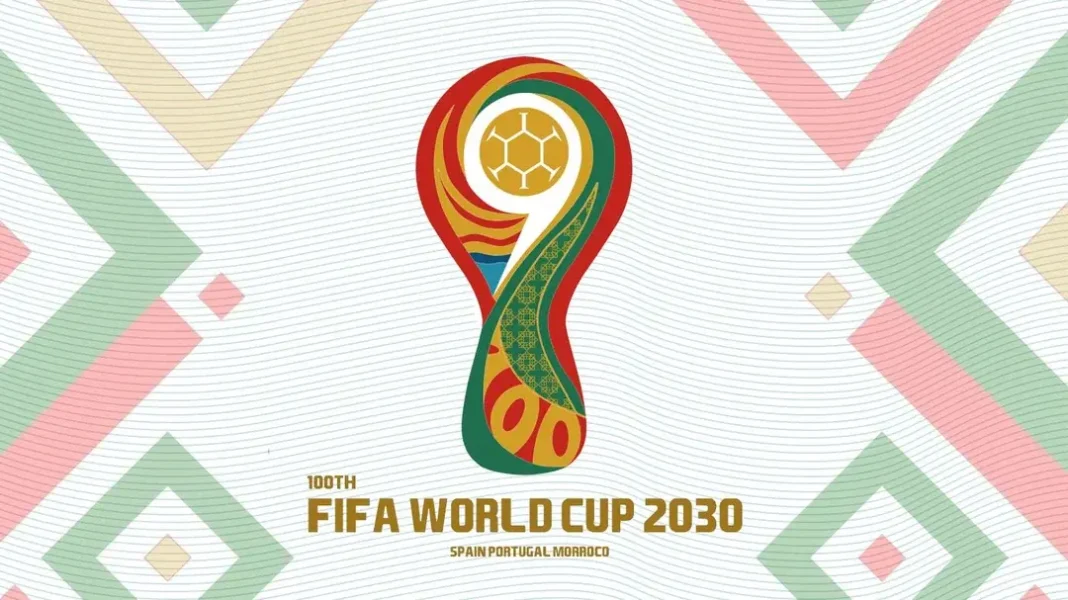
Just when you thought the 2026 tournament structure was ambitious, the football world cup 2030 takes global integration to a whole new level. To celebrate a momentous centenary milestone, the 2030 world cup host arrangement will span three different continents and six separate countries. This unique structure is designed to honor the roots of the tournament while expanding its global reach.
The primary candidates designated as the football world cup 2030 tournament anchors are Morocco, Portugal, and Spain. This Euro-African coalition ensures that the bulk of the tournament takes place within close geographical proximity, offering world-class infrastructure and iconic stadiums like the Santiago Bernabeu and the San Siro-style venues of the Iberian Peninsula.
However, the opening celebrations will take a sentimental detour across the Atlantic Ocean. Because the very first global tournament was held in South America exactly one hundred years prior, three South American nations will host the inaugural celebratory matches. Uruguay, Argentina, and Paraguay will each host one opening game before the entire tournament shifts back to Europe and North Africa. This ambitious plan makes the football world cup 2030 one of the most culturally diverse sporting events ever conceived.
Why the 2030 World Cup Host Selection is Historic

The decision behind choosing the 2030 world cup host lineup centers entirely around tradition and unity. The international football governing body wanted to find a way to respect the centennial anniversary of the inaugural tournament held in Montevideo. By awarding Uruguay the opening match, the sport nods to its rich heritage.
At the same time, the combination of Spain, Portugal, and Morocco as the core football world cup 2030 organizers highlights a bridge between Europe and Africa. This marks the first time Morocco will host matches, fulfilling a long-held dream for the passionate North African football community. For fans tracking tournament trends on 9wickets, this cross-continental layout presents a fascinating shift in how global sports events are managed.
Comparative Overview of 2026 and 2030 Tournaments
To help visualize how these two massive events stack up against each other, let us look at the core structure of both tournaments side by side.
| Feature | 2026 Edition | Football World Cup 2030 Edition |
| Host Nations | United States, Canada, Mexico | Spain, Portugal, Morocco, Uruguay, Argentina, Paraguay |
| Continents Involved | North America | Europe, Africa, South America |
| Number of Teams | Forty-eight | Forty-eight |
| Core Focus | Regional expansion and massive stadium capacities | Centenary celebration and cross-continental unity |
| Key Highlight | First forty-eight team expansion | First tournament held across three continents |
This comparison shows how the sport is shifting from single-nation spectacles toward massive multi-national collaborations. Navigating these updates requires keeping an eye on trusted sports analytical channels.
The Advantages and Disadvantages of Multi-Nation Hosting
The move toward having multiple countries serve as the 2030 world cup host has sparked plenty of debate among pundits and fans on sports portals like 9wickets. Let us examine the two sides of this modern hosting approach.
The Advantages
First, sharing the financial burden is a massive plus. Building massive stadiums that might go unused after a tournament is incredibly expensive. By sharing the responsibilities, countries can use existing top-tier stadiums without overextending their national budgets.
Second, it boosts global inclusivity. More countries getting a chance to host means fans from different corners of the world can experience World Cup magic live. Morocco hosting alongside Spain and Portugal creates an incredible cultural blend that will enrich the fan experience.
The Disadvantages
The most obvious downside is the travel logstics. For the football world cup 2030 edition, certain teams will start their journey in South America and then fly across the Atlantic to complete the group stage in Europe or North Africa. This creates potential issues with jet lag, climate adjustment, and player fatigue.
Another challenge is environmental impact. Increased air travel for teams, staff, and hundreds of thousands of fans contradicts the global push for sustainability in sports. Managing carbon footprints across six nations will require immense planning.
What This New Format Means for Football Fans
If you are a fan planning to travel or looking to enjoy the matches from home, these formats change the game completely. The expansion to forty-eight teams means more underdog stories and more matches to analyze.
For the 2026 event, the geographical grouping of host cities means you could potentially base yourself in one region, like the West Coast, and see multiple games without crossing the entire continent. For the football world cup 2030 version, fans will need to decide whether they want to witness the historic centenary opening matches in South America or base themselves in the Mediterranean hub for the knockout rounds. Keeping up with updates on 9wickets will ensure you stay ahead of ticket releases and venue announcements.
Frequently Asked Questions
Which country is hosting the 2026 tournament?
The 2026 tournament will be jointly hosted by the United States, Canada, and Mexico across sixteen different cities.
Why are there six countries listed as the 2030 world cup host?
The 2030 world cup host group includes Spain, Portugal, and Morocco as main hosts, while Uruguay, Argentina, and Paraguay will host the initial centenary celebratory matches to mark one hundred years of the tournament.
How many teams will play in the football world cup 2030?
Just like the 2026 edition, the football world cup 2030 will feature an expanded format consisting of forty-eight teams split into multiple competitive groups.
Where can I find authoritative updates on tournament scheduling?
For official confirmations, schedules, and regulatory statements, the official Fifa digital portal remains the definitive primary source for international football news.
Essential Resources for Football Enthusiasts
When planning your travel or looking for deeply researched tactical previews, turning to established sports journalism institutions is always recommended. For detailed breakdowns of stadium construction updates and player safety debates regarding travel across continents, the extensive coverage provided by BBC Sports offers excellent journalistic depth. These external insights combined with local analytical platforms help paint a complete picture for fans worldwide.
Final Thoughts on the Future of Global Football
The landscape of international football is undergoing a dramatic transformation. The localized tournaments of the past are making way for global celebrations that break down geographical barriers. From the vast stadiums of North America in 2026 to the three-continent celebration defining the football world cup 2030, fans are in for an unprecedented decade of sports entertainment.
As the chosen 2030 world cup host nations begin their extensive preparations, the excitement will only continue to build. Whether you are analyzing team statistics on 9wickets or booking your flights to see the games live, staying informed is key to enjoying the beautiful game.
Which host nation are you most excited to visit during these upcoming tournaments? Let us know your thoughts and travel plans below.